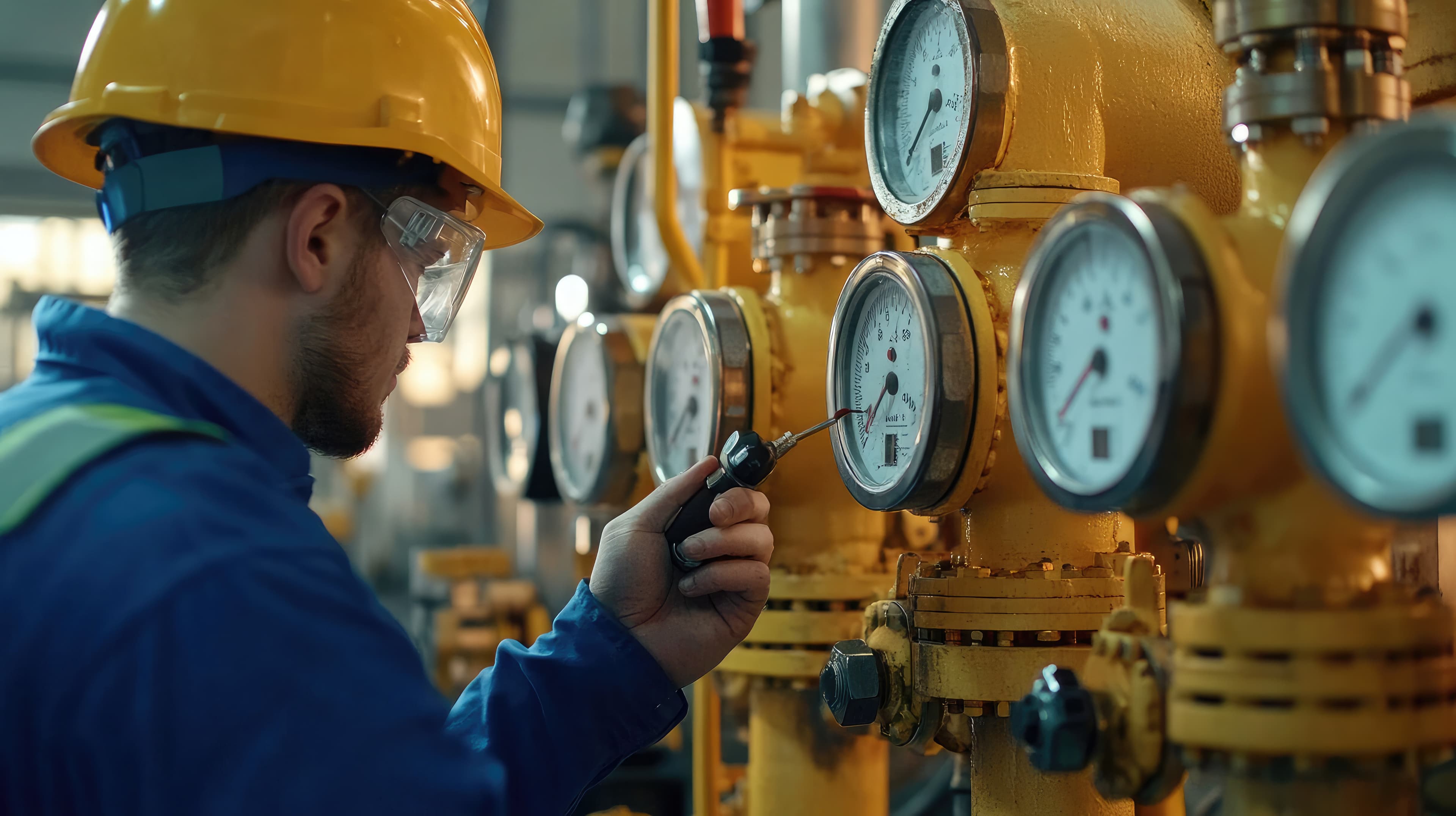

Confined spaces can contain atmospheric hazards that are not immediately visible. Confined space gas testing helps identify potentially hazardous atmospheric conditions before and, where required, during work.
Examples of confined spaces include tanks, vessels, manholes, sewers, pipelines, pits and other enclosed areas across industrial facilities.
“Never enter an unventilated or untested confined space based on visual checks alone. Hazardous gases can stratify at different heights, making thorough multi-level atmospheric testing non-negotiable.”
Why Is Gas Testing Important?
Atmospheric conditions inside a confined space can differ dramatically from normal outdoor air. Potential hazards include:
- Oxygen deficiency (< 19.5% O₂)
- Oxygen enrichment (> 23.5% O₂)
- Toxic gases and chemical vapours
- Combustible gases & explosion hazards
- Hazardous airborne particulates
The gases that need to be monitored depend on the specific hazards associated with the confined space and previous contents.
Key Gases to Test For
Oxygen — O₂
Oxygen monitoring is an essential part of atmospheric assessment. Oxygen concentration can decrease due to microbial processes, rusting/oxidation, combustion, or displacement by inert gases like nitrogen and CO₂.
Hydrogen Sulfide — H₂S
H₂S is particularly relevant to sewers, manholes, wastewater plants, oil and gas facilities, tanks, and chemical process units. Where H₂S is identified as a potential hazard, discover our dedicated guide on H₂S Gas Detection in Oil & Gas, Wastewater and Marine Industries or browse our GASTEC H₂S detection tubes.
Carbon Monoxide — CO
Carbon monoxide can occur where internal combustion engines, heaters, or fuel-burning generators operate near or within enclosed structures.
Combustible Gases & LEL
Methane, propane, and solvent vapours pose extreme fire and explosion risks when mixed with air within their Lower Explosive Limit (LEL).
Pre-Entry Gas Testing & Continuous Monitoring
Pre-Entry Testing: Atmospheric testing must be conducted before any worker enters a confined space. Because gases have different densities (e.g., methane rises, CO disperses evenly, H₂S sinks), testing must be performed at the top, middle, and bottom of the space using sampling hoses or extension probes.
Continuous Monitoring: Atmospheric conditions can change rapidly after work begins (due to welding, painting, sludge disturbance, or temperature shifts). Continuous monitoring with portable multi-gas detectors ensures immediate alarm notification.
Choosing Confined-Space Gas Detection Equipment
Key considerations when selecting gear:
- Potential gases & cross-contaminants
- Expected concentration range
- Sampling location & depth of entry
- Personal vs area monitoring requirements
- Audible and visual alarm volume and clarity
- Sampling method: motorized pump vs diffusion
- Environmental conditions (humidity, temperature, explosive zones)
Conclusion
Confined-space gas testing is an indispensable component of atmospheric hazard assessment. Depending on the environment, monitoring must include oxygen, H₂S, carbon monoxide and combustible gases.
Al Ghwasa supplies GASTEC detector tubes, sampling pumps, H₂S monitors and industrial gas detection equipment for confined-space and workplace applications.
Frequently Asked Questions
Need gas detection equipment for confined-space applications?
Contact Al Ghwasa to discuss tailored sampling equipment and safety kits.