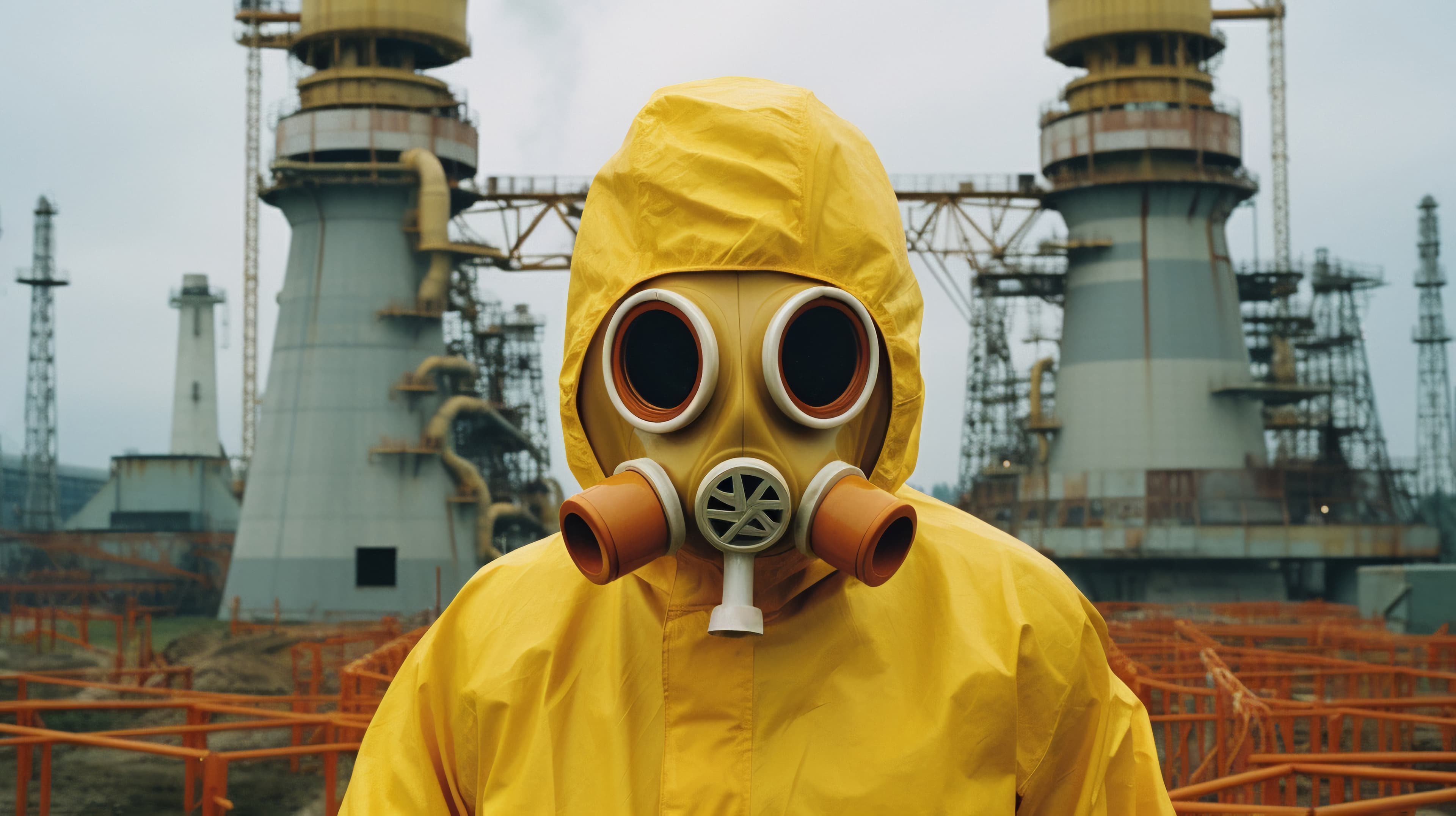

Choosing the right gas detector requires more than simply selecting a device with the highest number of features. The appropriate gas detection equipment depends on the gases that may be present, the workplace environment, how monitoring will be performed and whether measurements are required continuously or periodically.
Oil and gas facilities, wastewater plants, marine environments, chemical industries, construction sites and confined spaces can all have different atmospheric risks. Understanding the fundamentals of industrial gas detection is crucial when evaluating your site needs.
“The best gas detector is not necessarily the most expensive or most advanced model. It is the equipment that precisely matches the target gas, workplace environment, sampling method and monitoring requirement.”
1. Identify the Gas You Need to Detect
The first step is determining which gases may be present.
Common gases include:
- Hydrogen sulfide (H₂S)
- Carbon monoxide (CO)
- Oxygen (O₂)
- Methane (CH₄)
- Ammonia (NH₃)
- Volatile Organic Compounds (VOCs)
- Hydrocarbons
- Benzene
- Formaldehyde
The target gas determines which sensor, detector tube or measurement technology should be considered.
2. Single-Gas or Multi-Gas Detection?
A single-gas detector is designed to monitor one specific gas. This may be suitable when a workplace has one clearly identified atmospheric hazard.
A multi-gas detector can monitor several gases simultaneously. For example, confined-space applications may require monitoring of oxygen, toxic gases and combustible gases simultaneously.
3. Portable or Fixed Gas Detection?
Portable Gas Detectors
Portable equipment can be carried by workers and used at different locations. Typical applications include:
- Maintenance
- Industrial inspection
- Confined spaces
- Marine operations
- Emergency response
- Personal monitoring
Fixed Gas Detection
Fixed systems are permanently installed in selected areas and are generally used for continuous area monitoring.
The choice between portable and fixed monitoring depends on the workplace risk assessment and operational protocols.
4. Consider the Industry
The industry can strongly influence equipment selection.
Oil & Gas
Potential hazards may include H₂S and combustible hydrocarbons.
Wastewater
H₂S monitoring can be relevant around sewage systems, treatment plants and manholes.
Marine
Tanks and enclosed compartments may require atmospheric testing before entry.
Chemical Processing
Specific toxic gases, vapours and VOCs may need to be monitored.
Browse our full catalog of Specialised Gas Detection Solutions & Kits tailored to these industries.
5. Determine the Monitoring Requirement
Ask whether you need:
- One-time testing
- Periodic testing
- Personal monitoring
- Continuous monitoring
- Area monitoring
- Long-term exposure monitoring
For example, a GASTEC detector tube and sampling pump may be suitable for specific gas measurement, while an electronic gas detector may be more appropriate when continuous readings or alarms are required.
6. Consider the Sampling Location
Some environments are difficult to access directly. Sampling pumps and extension probes can help collect air samples from areas such as:
- Manholes
- Tanks
- Pipelines
- Sewers
- Vessels
- Enclosed spaces
This is particularly important when the measurement location is physically difficult or dangerous to enter without prior clearance.
7. Consider Alarm and Data Requirements
Some electronic gas detectors provide audible alarms, visual alarms, vibration alerts, digital displays, data logging, and multi-gas measurement. If the application requires immediate notification or measurement records, these functions will influence your choice.
8. Consider Equipment Support & Calibration
Gas detection equipment should be operated by personnel who understand its purpose, operating procedure and limitations. Training and technical support can be particularly useful when selecting specialized equipment.
Conclusion
The best gas detector is not necessarily the most expensive or most advanced model. It is the equipment that matches the target gas, workplace environment, sampling method and monitoring requirement.
Al Ghwasa supplies GASTEC detector tubes, sampling pumps, H₂S monitoring equipment and industrial gas detection solutions for a wide range of applications.
Frequently Asked Questions
Need help selecting gas detection equipment?
Contact Al Ghwasa with your application requirements for tailored guidance.